

tempered glass is made of
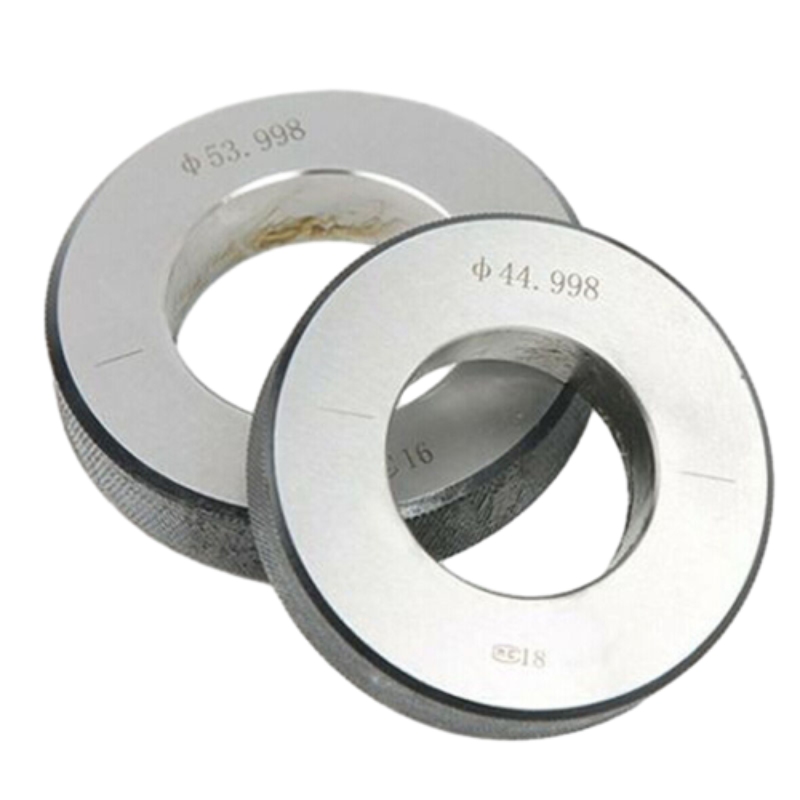
In precision machining, ensuring the accuracy of threaded components is critical to maintaining product quality and functionality. Threaded ring gauges are indispensable tools for verifying the dimensional correctness of external threads, such as those on bolts, screws, and studs. Understanding tolerance grades—the permissible limits of variation in thread dimensions—is essential for machinists to meet industry standards and deliver reliable parts. This article explores the use of thread gauge tools, the role of threaded ring gauge systems, adherence to thread ring gauge standard specifications, and the advantages of adjustable thread gauge designs. By the end, machinists will gain actionable insights into selecting and applying these tools effectively. The Essential Use of Thread Gauge in Precision Machining The use of thread gauge tools is foundational to quality control in manufacturing. These gauges verify that threads conform to specified tolerances, ensuring compatibility with mating components. For external threads, a threaded ring gauge acts as a “go/no-go” device: if the threaded part passes smoothly through the “go” gauge but stops at the “no-go” gauge, the thread is within acceptable limits. Tolerance grades, defined by standards like ISO (International Organization for Standardization) and ASME (American Society of Mechanical Engineers), dictate how much deviation is permissible. For example, a Grade 6H threaded ring gauge might be used for general-purpose applications, while a tighter Grade 4H could be reserved for high-precision aerospace components. Machinists must match the gauge’s tolerance grade to the part’s intended function to avoid over- or under-engineering. Proper use of thread gauge tools also requires attention to environmental factors. Temperature fluctuations, debris, or wear on the gauge can skew measurements. Regular calibration against master gauges ensures long-term accuracy. Threaded Ring Gauge and Its Role in Tolerance Verification A threaded ring gauge is a cylindrical tool with internal threads machined to precise dimensions. It serves as a physical reference to validate the pitch diameter, thread angle, and pitch of external threads. Tolerance grades for these gauges are classified using alphanumeric codes (e.g., 6H, 4G), where the number indicates the tolerance level and the letter specifies the fundamental deviation (allowance). For instance, a threaded ring gauge labeled 6H has a medium tolerance grade suitable for most industrial applications. In contrast, a 4H gauge offers tighter tolerances for critical components. Machinists must select the grade based on the part’s design requirements. Over-tightening tolerances can increase production costs, while overly lenient grades risk part failure. The design of a threaded ring gauge also matters. Hardened steel construction ensures durability, while chrome plating reduces wear. Some gauges feature a notch or marking to distinguish “go” from “no-go” sections, streamlining inspections on the shop floor. Adhering to Thread Ring Gauge Standard Specifications Compliance with thread ring gauge standard protocols is non-negotiable in regulated industries. Standards like ISO 1502 (general metric threads) and ASME B1.2 (UNJ threads) define gauge dimensions, tolerance grades, and inspection methods. These specifications ensure uniformity across suppliers and guarantee global interoperability of threaded parts. A thread ring gauge standard typically mandates: Material properties: Gauges must resist deformation and wear. Dimensional accuracy: Pitch diameter deviations must fall within micron-level ranges. Marking requirements: Clear identification of tolerance grade and thread type. Manufacturers producing threaded ring gauges in bulk must rigorously test samples against certified master gauges. Statistical process control (SPC) methods help maintain consistency across large batches. Deviations from thread ring gauge standard guidelines can lead to rejected parts, production delays, or even safety recalls. Advantages of an Adjustable Thread Gauge for Flexible Applications While fixed threaded ring gauges are common, an adjustable thread gauge offers unique benefits. These gauges feature a mechanism (e.g., a split design with a screw adjustment) that allows machinists to fine-tune the internal thread dimensions. This flexibility is invaluable for prototyping or low-volume production runs where multiple tolerance grades might be needed. An adjustable thread gauge can mimic various tolerance grades by altering the pitch diameter. For example, adjusting the gauge to a tighter setting simulates a higher-grade (e.g., 4H) inspection without requiring multiple fixed gauges. However, adjustability introduces complexity: users must ensure the gauge remains locked during measurements to prevent drift. Despite this, the adjustable thread gauge is cost-effective for workshops handling diverse projects. It reduces the need to stock numerous fixed gauges, saving storage space and upfront costs. FAQs About Threaded Ring Gauges How does the use of thread gauge tools improve manufacturing accuracy? The use of thread gauge ensures threads meet predefined tolerance grades, preventing mismatches in assemblies. By physically testing parts against “go/no-go” criteria, machinists catch errors early, reducing scrap rates. What distinguishes a threaded ring gauge from other thread inspection tools? A threaded ring gauge is designed specifically for external threads, offering a quick pass/fail test. Other tools, like plug gauges or optical comparators, serve internal threads or detailed dimensional analysis. Why is compliance with thread ring gauge standard specifications critical? Adhering to thread ring gauge standard rules ensures parts are interchangeable across global supply chains. Non-compliance risks assembly failures, legal liabilities, or rejection by quality auditors. When should I choose an adjustable thread gauge over a fixed one? An adjustable thread gauge is ideal for environments requiring flexibility, such as prototyping or custom machining. Fixed gauges are better for high-volume production with consistent tolerance requirements. How do I maintain the accuracy of a threaded ring gauge? Store gauges in temperature-controlled environments, clean them after use of thread gauge inspections, and calibrate them regularly against certified master gauges. Mastering tolerance grades and the use of thread gauge systems empowers machinists to produce reliable, high-quality threaded components. Whether applying a fixed threaded ring gauge for bulk inspections or leveraging an adjustable thread gauge for versatility, adherence to thread ring gauge standard specifications remains paramount. By integrating these tools into daily workflows, manufacturers can uphold precision, reduce waste, and meet the exacting demands of modern industry.
about
tempered glass is made of
Understanding Small Dial Bore Gauges Precision Measurement Tools A small dial bore gauge is an essential tool used in various engineering and manufacturing contexts for measuring internal diameters of cylindrical objects, such as pipes, holes, and bores. This instrument provides a method for accurately assessing the size of internal features, making it vital in quality control processes, machinery manufacturing, and even automotive industries. Construction and Working Principle At first glance, a small dial bore gauge appears to be a simple tool consisting of a dial indicator attached to a measuring head. The measuring head features a set of probes that can expand to contact the internal surface of a bore. The probe tips are designed to precisely pick up the reverberation, ensuring a tight fit within the bore for accurate measurement. As the gauge is inserted, the dial indicator translates the displacement of the probe into a readable measurement, usually expressed in millimeters or inches. The simplicity of the design belies its functional complexity. The gauge operates on a principle of mechanical displacement; when the probe contacts the internal wall of the bore, any movement translates directly to the dial, thus providing an instantaneous reading. This allows operators to quickly ascertain the size of bores without the need for more cumbersome measuring methods, such as calipers or micrometers. Applications small dial bore gauge Small dial bore gauges are commonly used in several applications where precision is key. In manufacturing, they help ensure that drilled holes meet specific tolerances and fit requirements. This is particularly crucial in the automotive sector, where components like engine cylinders must adhere to strict dimensional specifications to ensure proper engine performance. Beyond automotive applications, these gauges are also valuable in aerospace, where even minor discrepancies can have critical implications. Moreover, the use of small dial bore gauges is indispensable in maintenance practices . Technicians use them to check the wear of engine cylinders, ensuring machinery operates efficiently and safely. Regular measurements not only prolong the life of critical components but also prevent costly breakdowns. Advantages One of the primary advantages of using a small dial bore gauge is its portability and ease of use. Unlike larger measurement devices that may require extensive setup or calibration, a dial bore gauge can be quickly deployed, allowing for on-the-spot inspections. Additionally, the dial readout allows for faster interpretation of data, leading to instantaneous decision-making during production runs. Another benefit is their cost-effectiveness. High-quality small dial bore gauges are relatively affordable compared to more sophisticated electronic measuring systems, making them accessible for small businesses and independent machinists. In summary, small dial bore gauges play a crucial role in ensuring the precise measurement of internal diameters in various industries. Their portable design, ease of use, and accuracy make them indispensable tools for professionals who prioritize quality and reliability in their work. As manufacturing continues to evolve, these gauges will remain essential in upholding stringent quality standards and enhancing operational efficiency.
-

High quality industrial productsagement

High quality industrial products
View Details -

Meet the diverse needs of customers

Meet the diverse needs of customers
View Details -

Strict quality control

Strict quality control
View Details -

Top raw materials

Top raw materials
View Details -

Trusted supplier

Trusted supplier
View Details
Our application

news and information
v block made of
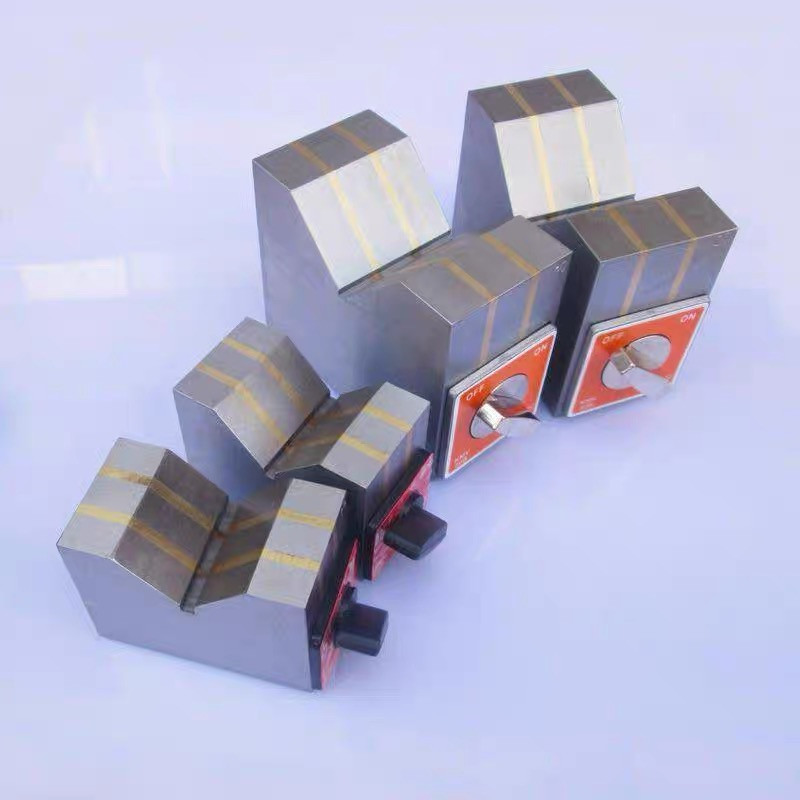
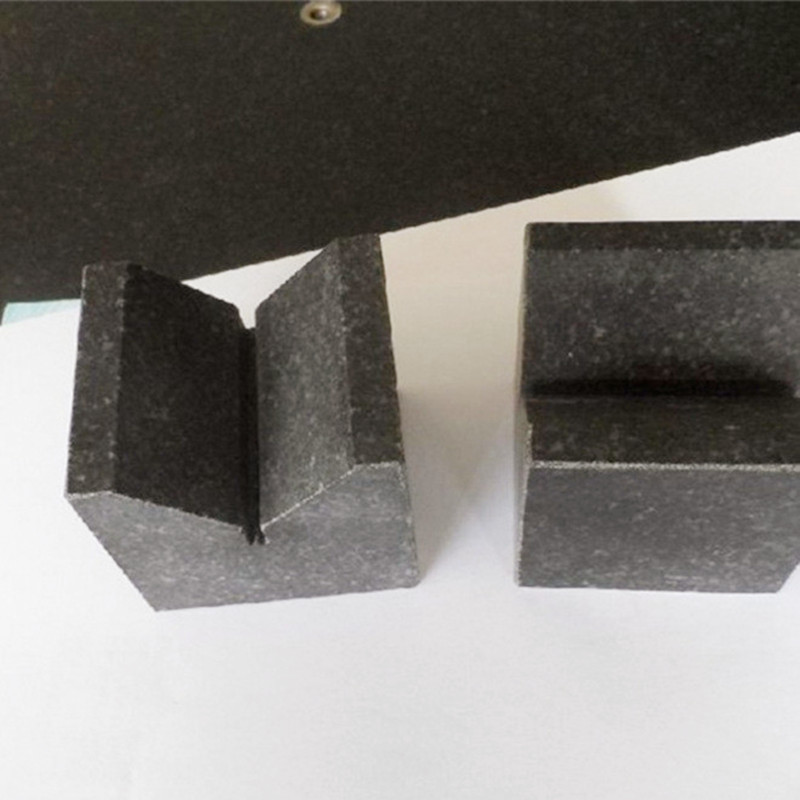
Understanding V-Block Made Of A Fundamental Tool in Manufacturing In the world of manufacturing and
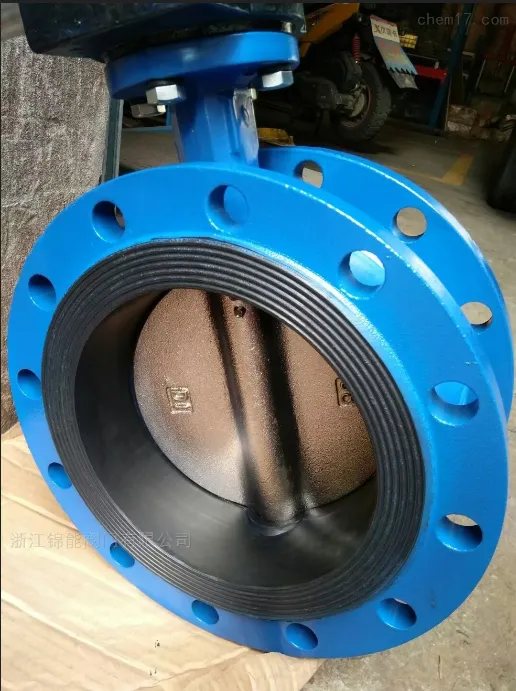
water main shut off valves
Water main shut off valves play a critical role in maintaining the health and efficiency of any resi
Valvola di ritegno 6an per sistemi idraulici e pneumatici di alta qualità
Il settore industriale moderno richiede soluzioni efficienti per il controllo del flusso di fluidi,
 English